
You know that feeling when you dive into the Solana world and suddenly the options seem endless? Validators, hardware wallets, NFTs… it’s a lot to unpack, right? Well, I’ve been down this rabbit hole more times than I can count, and honestly, it’s a mix of excitement and a bit of head-scratching. At first glance, validator selection seemed straightforward—just pick the highest stake or the flashiest name. But, whoa, it’s way more nuanced than that.
Let me tell ya, something felt off about blindly trusting the popular validators without digging deeper. My gut kept whispering, “Hey, what about decentralization? What about reliability?” Because, seriously, your staking rewards hinge on these choices, not to mention your network’s health. And speaking of security, integrating hardware wallets adds another layer of complexity but also peace of mind—if done right.
Here’s the thing. Managing NFTs on Solana, especially through a wallet like Solflare, is a whole other ballgame. It’s not just about storing tokens; it’s about usability, and yeah, aesthetics too. At one point, I thought I’d just store my NFTs and be done with it, but no, the ecosystem keeps evolving, and your wallet better keep up. Actually, wait—let me rephrase that—your wallet should not only keep up but make your life easier.
So yeah, let’s break down why validator choice, hardware wallet integration, and NFT management all matter, and how Solflare fits into this puzzle. Spoiler: it’s not just hype.
Okay, so check this out—validators are the backbone of Solana’s network security and performance. You might think picking one is just flipping a coin among those with the biggest stakes, but it’s really about their uptime, commission fees, and community trust. I remember once choosing a validator solely on low fees, and it bit me back when they went offline during a key slot—ouch! That downtime meant lost rewards and a lot of frustration.
On one hand, low commissions are attractive, but on the other, you want validators who are battle-tested and transparent. Something about the validator’s transparency reports always gave me a better vibe even if their fees were slightly higher. It’s a trade-off—kind of like choosing between a cheap flight with multiple layovers versus a slightly pricier direct route. Your rewards may be better on the direct route because there’s less risk of delays.
And then there’s the decentralization angle. Initially, I thought, “Hey, why not just pick the top 5 validators and call it a day?” But actually, that’s exactly what Solana’s ecosystem tries to avoid. Concentrating stake on a few validators risks centralization, which, frankly, bugs me because it defeats the purpose of blockchain’s distributed trust. So, spreading your stake thoughtfully matters.
Now, tying this to hardware wallets, I was skeptical at first. I mean, juggling software wallets seemed enough. But after some not-so-fun phishing attempts (yeah, they got close), I decided to connect my Ledger with Solflare. Wow! The added layer of security felt like locking my crypto in a safe instead of leaving it on my desk. But integrating hardware wallets isn’t always plug-and-play; there’s a bit of a learning curve, and sometimes the UI isn’t as slick as you think.
For me, the peace of mind outweighed the minor setup headaches. Plus, Solflare’s recent updates have really smoothed out the process, making hardware wallet integration more seamless. You can literally stake, vote, and even manage NFTs straight from your Ledger or Trezor connected to Solflare. It’s a game-changer, especially for those of us who want to keep our private keys offline but still participate fully.
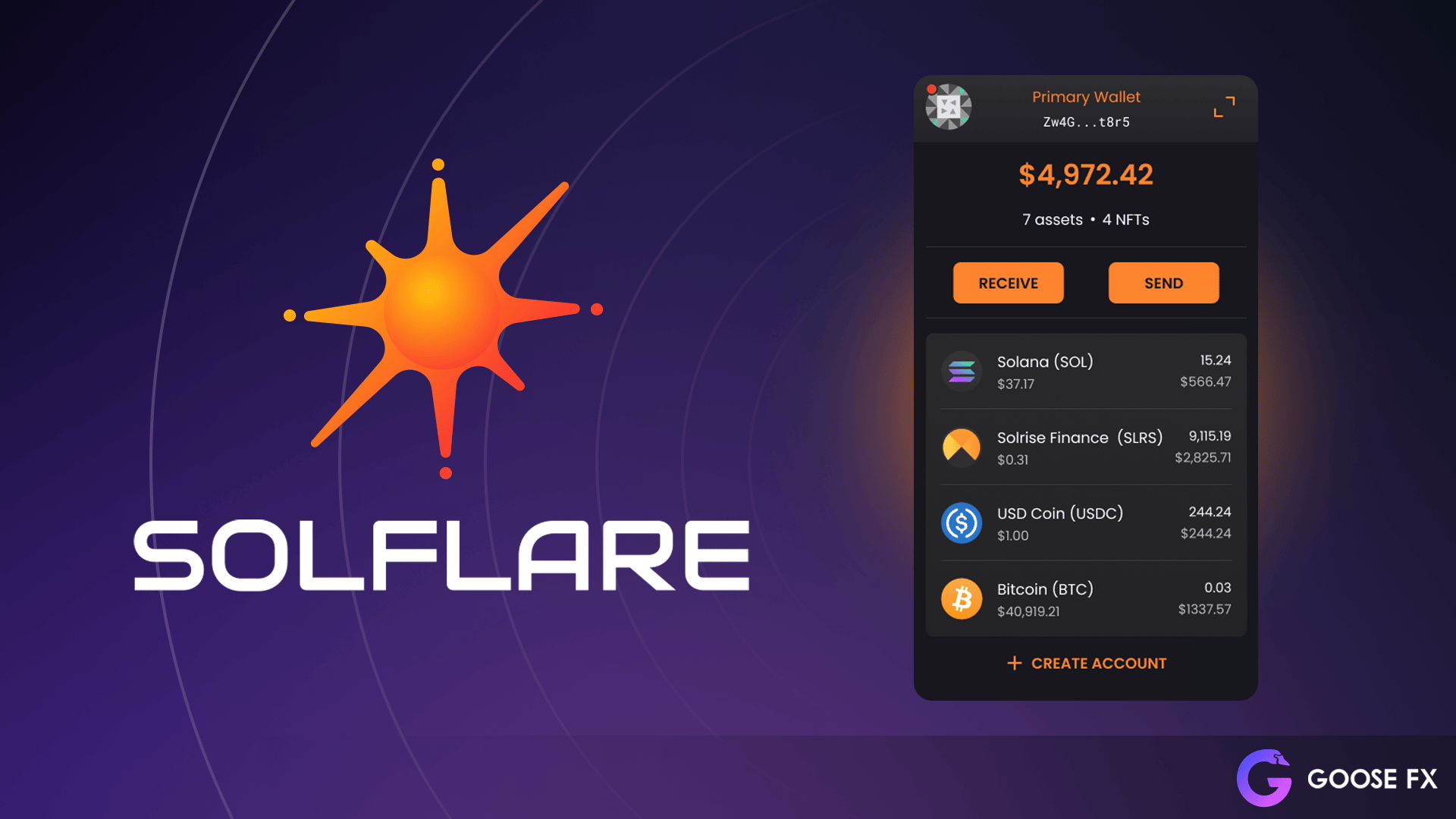
Speaking of NFTs, if you’re like me, you probably got into Solana NFTs because they’re fast and cheap compared to other blockchains. Managing them, though? That’s where Solflare shines. Early on, I struggled with scattered NFT collections and clunky interfaces, but the wallet’s native NFT viewer and management tools have improved a ton.
And I’ll be honest, the ability to directly send, receive, or even stake NFTs (in some projects) without jumping through hoops is a huge plus. I’m biased, but having everything under one roof—staking SOL, managing NFTs, and locking down assets with hardware wallet support—makes Solflare a solid contender. If you haven’t tried it, consider getting the solflare wallet download and playing around. It’s surprisingly intuitive once you get past the initial setup.
Now, a little confession—I’ve had moments where I wondered if all these layers just complicate things unnecessarily. I mean, sometimes the simplicity of a mobile wallet feels nice. But then, the more I dove into staking and NFT projects, the more I realized that robust wallet features aren’t a luxury; they’re a necessity. Especially when you’re talking about real money, real assets, and not just play tokens.
Validator Selection: More Than Just Numbers
Picking a validator isn’t just a “set it and forget it” task. Validators have different commission structures, uptime records, and even philosophies. I once switched to a validator that had a great community presence but poor uptime, and my rewards tanked. Lesson learned: check uptime stats religiously.
Also, some validators actively engage with the community—hosting meetups, providing transparent reports, or even running their own projects on Solana. I find that kind of involvement meaningful. It’s like rooting for your local sports team versus a nameless franchise.
On the flip side, I’ve seen validators with super low fees but questionable infrastructure. Yeah, tempting, but your rewards might get eaten by network downtime. It’s that classic “you get what you pay for” scenario. So, balancing risk and reward is key.
And hey, if you’re staking through Solflare, the wallet interface actually helps you vet validators with real-time stats and community feedback. That’s a nice touch, making it easier to make informed decisions without hunting down data manually.
Hardware Wallet Integration: Worth the Effort?
Honestly, integrating a hardware wallet felt intimidating at first. I wasn’t sure if the extra step was worth the hassle. But after a near-miss with a phishing scam, I was convinced. Now, my Ledger sits next to me like a trusty sidekick.
Solflare’s support for hardware wallets isn’t just about security; it’s about control. Your keys never leave the device, so even if your computer gets compromised, your crypto stays safe. That said, the pairing process can be a little clunky, especially if you’re not tech-savvy.
One time, I got stuck trying to connect my Ledger because of a firmware update I missed. Pretty frustrating. But once updated, the integration was smooth sailing. The wallet’s UI now walks you through the steps better than before, so the experience has definitely improved.
Plus, the ability to stake and vote on validators directly from your hardware wallet through Solflare means you don’t have to sacrifice security for functionality. That’s a huge win.
NFT Management: More Than a Digital Gallery
NFTs caught my attention as a fun way to collect digital art and even participate in exclusive communities. But managing them across wallets and marketplaces was a mess. Solflare’s native NFT interface changed that for me. I could see my collections neatly organized, send and receive NFTs with ease, and even explore upcoming drops.
Oh, and by the way, the wallet supports both standard NFTs and some of the newer token standards Solana projects are experimenting with. That flexibility makes a difference, especially as the ecosystem evolves.
Sometimes, I just sit and scroll through my NFT gallery on Solflare, feeling like I’ve got a mini art museum in my pocket. It’s kinda wild when you think about it—digital collectibles secured cryptographically and accessible anytime.
Now, if you’re looking to get started or level up your Solana experience, I suggest grabbing the solflare wallet download. It’s where I personally landed after trying multiple options, and it just clicks for a lot of users balancing staking, hardware security, and NFTs.
So, circling back to where we started—validator choice, hardware wallets, and NFT management aren’t isolated pieces. They’re intertwined parts of a larger puzzle that demands your attention if you want to truly own your crypto journey on Solana. I’m still learning, still tweaking my setups, and honestly, that’s part of the fun.
Anyway, that’s my take. Maybe you’ve had different experiences, or maybe you’re just getting started. Either way, it’s worth diving in with your eyes open—and your wallet ready.